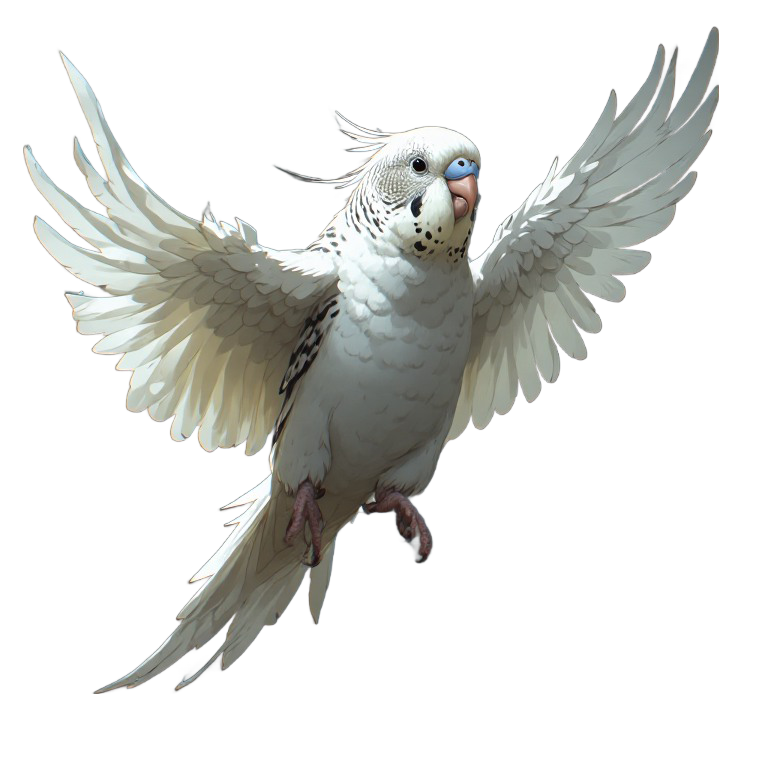
Budgies Feeding

Type Safe or Toxic in the search box for food results.
Budgie Foods Safe and Toxic
Submit a Budgie Food
Type Safe or Toxic in the search box for food results.
Does my budgie actually need gravel or grit? Nah, they don’t. Here’s the thing—budgies are smart little seed crackers. They peel off the outer shell before eating the good stuff inside, so grit isn’t necessary for them. Back in the day, people thought all birds needed grit to help grind up food in their guts,…
Use search to find Safe or Toxic Foods… Enter Safe or Toxic, you can also search for food names.
Keeping quail in your backyard? Honestly, it’s kinda awesome. They’re tiny, low-maintenance, and way more useful than you’d think. Like, forget chickens—quail are the underrated MVPs of backyard poultry. First off, their eggs? Small but mighty. Packed with protein and vitamins, and lower in cholesterol than chicken eggs. Plus, they look adorable—like something you’d see…
Budgie breeding boxes are basically just little wooden homes that copy the cosy tree holes wild budgies love. You’ll want untreated wood boxes around 9″x6″x6″ or 10″x6″x6″ – nothing fancy. The bottom should curve inward, so eggs don’t go rolling everywhere, plus a little perch by the entrance and a lid that opens easily.
Budgies signal they’re ready to mate by acting extra flirty and showing some obvious body changes. When they’re in the mood, their hormones kick in (usually because of longer daylight and good food), and things get spicy. Male budgies: Their little nose area (called the cere) turns this crazy bright blue—like, seriously noticeable. Female budgies:…
A budgie’s whole life story—from tiny egg to full-grown bird—takes about 3–4 months. It’s wild how fast they grow! Here’s the breakdown in plain English: From Egg to Awesome: The Budgie Lifecycle Full Adult Mode (3-6 months)Around 3–4 months they lose their baby feathers (first molt!) and get their fancy adult colours. Eyes develop a…
