Aviary Budgies FAQs

Budgie Information
Budgies can totally live over ten years if you take good care of ’em. Heck, with some luck and love, they might even make it to 15 or 20!
Budgies lay their eggs in little nesting boxes that have an opening on the front or side. If the hole’s big enough, you can even connect these boxes to the outside of the cage or just stick ’em inside. Most folks keep budgies in small aviaries or flight cages, but if you’re breeding them, a regular cage with one nesting box per pair works fine too.
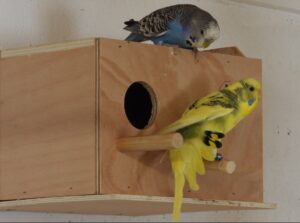
Long story short, budgie aviaries are awesome if you want to keep these little guys happy at home or in your backyard. If you’re into birds, this is definitely the way to go—gives ’em a solid place to chill and do their bird thing.
Hey there, bird people! So, you want to keep your little feather ball happy and healthy, right? Let’s talk cuttlebone – that weird looking chalky thing you see in pet stores.
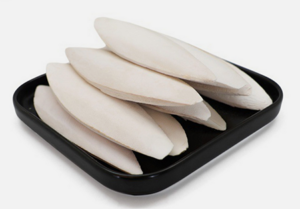
First off, what even is this stuff? Turns out it’s basically the skeleton of a cuttlefish (yeah, the squid-looking dudes). It’s packed with calcium and other good stuff your budgie needs. Strong bones? Check. Healthy beak? Double check.
Now, before you go dumping a truckload of cuttlebone in the cage – slow down. Too much of this stuff can actually cause problems like kidney stones (yikes). A couple of times a week is plenty. Watch your bird – if they’re going to town on it nonstop, maybe dial it back.
Shopping for cuttlebone? Pro tip: Get one about twice as long as your bird. They come in straight or curved – some budgies like to perch on them, others prefer holding it in their little feet. Try both and see what your bird likes best.
Oh, and don’t stress if your budgie ignores it at first. Some birds take time to warm up to new things. You can try other calcium sources like crushed eggshells if they’re being picky.
Quick maintenance note: Give the cuttlebone a quick scrub with warm water once a week. When it starts looking like a chewed-up pencil, time for a new one.
Honestly? Cuttlebone is one of those simple, cheap ways to keep your bird healthy. Plus watching them nibble on it is kinda adorable. Give it a shot – your budgie’s bones (and beak) will thank you!
Behavioural issues in budgies—like when they start plucking their own feathers—can be seriously stressful for both you and your little feathered friend. Sure, sometimes you’ll need actual training or behavioural therapy to fix it, but don’t sleep on simple stuff like cuttlebone! Seriously, toss one in their cage. It’s not just a weird bird thing—it gives them calcium (super important for strong bones and avoiding nasty stuff like egg binding), plus it keeps them busy. Less boredom = less stress = fewer weird behaviours. Win-win
Imagine having no wheels on your motor—yeah, it’s going nowhere fast, right? Same deal with budgies and calcium. Without enough of it, they’re going to have a rough time.
You might notice your little buddy acting off—maybe their bones seem super fragile, or they’re shaking like they got the chills. Sometimes they just zone out, stop eating, or even struggle to breathe. Scary stuff. If you see any of that, don’t wait around—get ’em to a bird vet ASAP.
The trick is keeping their diet packed with calcium from the jump. Stuff like kale or spinach works great, and if your bird handles dairy okay, a little yogurt or cheese can help too. Just watch out for foods with too much phosphorus—that stuff messes with how their body absorbs calcium.
Basically, keep ’em eating right, and they’ll stay happy and healthy. Easy as that.
Calcium is super important for your budgie’s health, so you gotta make sure they’re getting enough in their diet. There are a bunch of foods with calcium, but some are way better than others. Like, dark leafy greens (kale, collard greens) are like the MVP here—they’re packed with calcium plus other good stuff like vitamins and minerals.
Another easy way to bump up their calcium is with fortified birdseed. A lot of store-bought mixes have extra calcium added, which is convenient, but you gotta check the labels because some brands sneak in sugar or weird preservatives. Oh, and crushed eggshells? Yeah, budgies love pecking at those and they’re a natural calcium source.
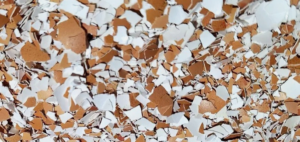
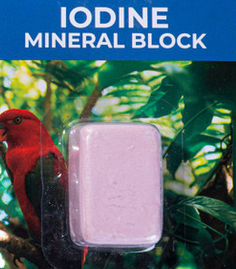
Besides just picking the right foods, there are little tricks to help your budgie actually absorb the calcium better. Cuttlebone and mineral blocks are great because they keep your bird entertained AND help grind their beak down while giving them extra calcium. Also, vitamin D helps with calcium absorption, so maybe toss in some supplements if your budgie isn’t getting enough sunlight.
Creating a fun environment is super important for your budgie’s health. Like, these birds are actually pretty smart, and they need stuff to keep them busy, or they’ll get bored.
You should give them toys and different size perches to sit on, and maybe even a mirror—they kinda like that. Also, make sure their cage / Avery is big enough so they can fly around a little, because exercise is excellent for them.
Tips for getting your budgie to actually eat those boring-little pellets:
Okay, first rule—don’t mix pellets with seeds right off the bat. That’s cheating, and your bird will just pick out the seeds anyway. Try offering pellets first thing in the morning when your budgie’s actually hungry. Sneaky? Maybe. Effective? Hopefully.
Since budgies are basically tiny dinosaurs that love foraging, scatter the pellets on a flat surface like you’re feeding chickens. Tap them around with your fingers like you’re a bird pecking at them—yeah, you’ll look ridiculous, but hey, if it works, who cares?
Does my budgie actually need gravel or grit? Nah, they don’t. Here’s the thing—budgies are smart little seed crackers. They peel off the outer shell before eating the good stuff inside, so grit isn’t necessary for them.
Back in the day, people thought all birds needed grit to help grind up food in their guts, but turns out, that’s only true for birds like pigeons that swallow seeds whole (no shell-removal skills).
If you give grit to a budgie, they might go nuts and eat too much of it, which can seriously mess up their stomach—like, vet-emergency bad. So just skip the gravel altogether.
Budgerigars are way quieter than most parrots, but they still love chatting and making little chirpy noises.
Budgerigars come in many different colors and patterns, including:
- Albino
- Blue
- Cinnamon-ino (lacewing)
- Clearwing
- Crested
- Dark
- Dilute (suffused)
- Greywing
- Opaline
- Pied
- Spangled
- Violet
Yes, budgerigars are small hook bill parrots.
Yes Budgerigars are total goofballs—super smart, but also kinda ridiculous. They really latch onto their humans if you handle them regularly. Just take it slow at first, y’know? Let them get used to you. Once they decide you’re cool, they’ll wanna hang out with you all the time. Little clingy featherballs, honestly.
There are around 115 different kinds of budgies—you know, those tiny parrots that just munch on seeds all day. They’re pretty small, only about 7.5 inches long, but man, do they come in some wild colours! Greens, yellows, all sorts of bright shades. They don’t live as long as some other parrots, though—usually somewhere between 6 and 12 years.
Budgies typically start chatting when they’re around 3 or 4 months old, but some little guys pick up sounds crazy early—like 6 to 8 weeks! The boys usually catch on quicker than the girls, though.
At first, it’s just this weird, staticky mumbling like a bad radio station, then suddenly they’re blurting out actual words. Go figure.
Budgie Breeding
Breeding budgies? Cool! First, you’ll need a happy couple of birds—they should be at least a year old and super healthy. Get them a cosy breeding cage somewhere peaceful,
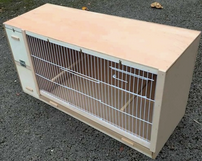
and toss in a wooden nest box so they can get… uh, romantic. Food’s super important too—keep cuttlebone around for calcium and give ’em egg food for extra protein, especially while mama’s laying eggs and feeding the babies.
Breeding Guidelines – Laid Back Version
So, first off – don’t rush it. Your budgies need to be at least 10–12 months old before even thinking about babies. Younger birds? They’re clueless parents, and it’s rough on their health. Trust me.
Budgies mate for life, so make sure your pair actually *likes* each other. If they’re sharing food and preening each other’s feathers, you’re golden. No love? No nest box. Simple.
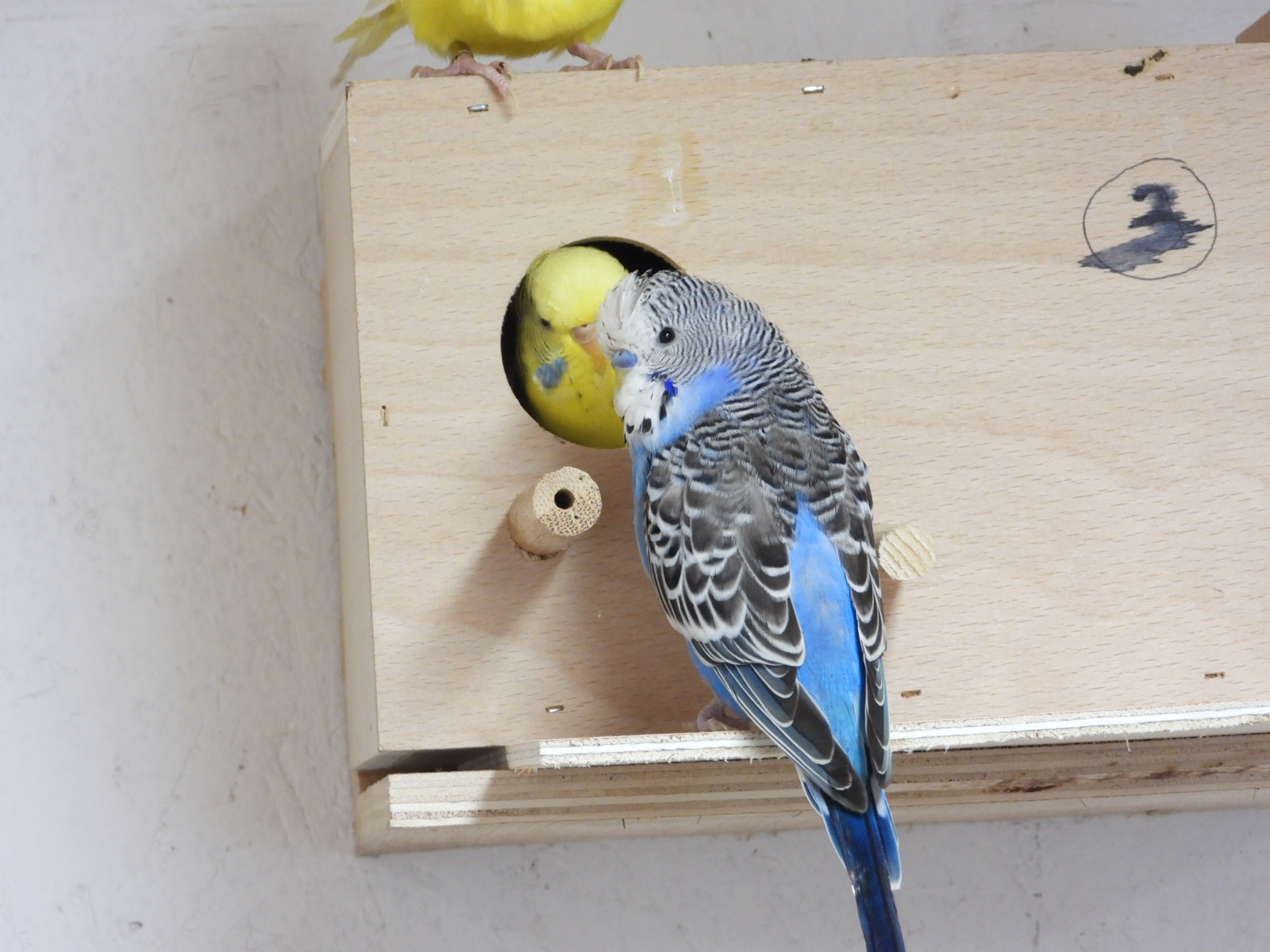
Speaking of nest boxes – grab a wooden one (about the size of a shoebox, with a little hole for entry) and stick it up in the cage corner. Throw in some plain wood shavings, nothing fancy.
Eggs happen every other day, usually ending up with 4-6 total. Mama bird’s got her own schedule – just let her do her thing.
That’s pretty much it. Don’t overcomplicate it.
Required Dietary Additions Calcium:
Gotta have cuttlebone or mineral blocks available at all times – no skipping this. Hens seriously need tons of calcium to make eggshells without wrecking their own health.
Egg Food:
Grab some store-bought high-protein egg food or just mash up boiled eggs with crushed shells. Growing chicks need that extra protein boost!
Crushed Egg Shells
Yes, you should totally take out the empty eggshells from the nest box. But like, don’t just reach in there while the mum budgie is still chilling—wait until she leaves on her own. And uh, wash your hands really well first, ’cause you don’t wanna stress her out or accidentally pass along some nasty germs.
Budgie Foods / Safe or Toxic
Here is a list of toxic and safe food for budgies.
Vegetables: You can feed your budgies vegetables every day or every other day.
Fruits: Once a week is enough to give your budgies fruits as a treat, because fruits contain a lot of sugars.
Nuts: They are very healthy for budgies because they are rich in proteins and are very tasty. NOTE: Nuts contain fatty oils, which is best to feed your budgies once a week or even less.
SAFE FOODS FOR BUDGIES
These are safe, healthy, and recommended in moderation as part of a balanced diet:
Vegetables (best daily)
Carrot (grated or sliced)
Broccoli
Silver beet
Kale (in small amounts)
Bok choy
Spinach (occasional)
Zucchini
Green beans
Peas
Corn (raw or lightly steamed)
Capsicum
Offer fresh veggies daily — remove any leftovers after a few hours.
Fruits (treats only)
Apple (no seeds)
Pear
Banana
Berries (strawberries, blueberries, raspberries)
Mango
Kiwi
Rock melon or honeydew
Watermelon
Only feed fruit 2–3 times a week — it’s high in natural sugar.
Other safe foods
Cooked brown rice, quinoa, oats (plain, unsweetened)
Wholegrain toast (tiny piece)
Boiled egg (tiny piece, once in a while)
Chia, flax, or hemp seeds
Millet spray (treat only)
Sprouted seeds
TOXIC FOODS TO AVOID
These foods can cause serious health issues or even be fatal — never offer these to your budgie:
Avocado (very toxic)
Chocolate
Onion
Garlic
Alcohol
Caffeine (tea, coffee, cola, energy drinks)
Apple seeds and other fruit seeds/pits (contain cyanide)
Rhubarb
Raw beans
Junk food (chips, cookies, candy, etc.)
Sugary or salty foods
Fatty, fried, or processed foods
Dairy products (especially milk and cheese)
A Few Extra Tips
Wash all fresh food to remove pesticides and dirt
Introduce new foods slowly and watch for reactions
Always remove uneaten fresh food after 2–3 hours
Don’t put fresh food near perches where it might get dirty
Variety is great — aim to mix up what you offer each week!
