Hand Feeding Baby Birds

Hand Feeding Baby Birds: (Guide)
So you wanna hand-feed a baby bird? Cool! But heads up—this isn’t something to wing (ha). It’s kinda intense, and honestly, if you’ve never done it before, maybe start with a weaned bird first. But if you’re diving in, here’s the deal:
The Basics:
- Follow the instructions. Like, all of them. No shortcuts.
- This isn’t beginner stuff. If you’re new, get help from someone who’s done it before.
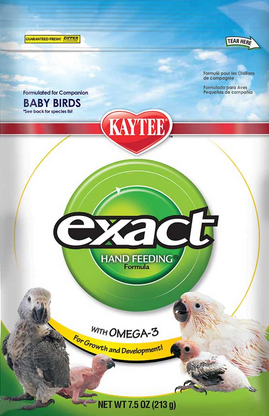
- Mix the KAYTEE formula with hot water (clean, obviously) until it’s the right thickness—think smooth oatmeal.
- Use a syringe made for hand-feeding. No turkey basters or whatever.
- Tiny babies eat a lot—like every 2 hours. Yeah, even at 3 AM.
- As they grow, feed them less often but give bigger portions.
- Aim for 10-12% of their body weight per meal. (Yes, you’ll need a scale.)
- Never reuse formula. Fresh batch every time.
- Keep things clean. Birds get sick easy.
- Check on them daily. Weight, energy, poop—all of it.
Most birds wean around 8–12 weeks, but it depends. Google “weaning tips” if you’re curious.
Why Hand-Fed Birds Rule:
- They grow up used to humans, so they’re way friendlier.
- Less scared of you, your dog, your cat—everything.
- The bond is real. Like, “rides on your shoulder while you binge Netflix” real.
But seriously—if you find a wild baby bird, call a wildlife centre or vet first. Don’t just kidnap it and start squirting formula.
Oh, and KAYTEE’s formula? Solid stuff. Helps them grow faster, wean sooner, and look extra fancy.
Bottom line: Hand-feeding’s rewarding but not easy. If you’re unsure, start with a weaned bird. If you’re all in? Find a mentor. And maybe stock up on coffee. You’ll need it.

